Review: Angel Olsen on Mobile Fidelity

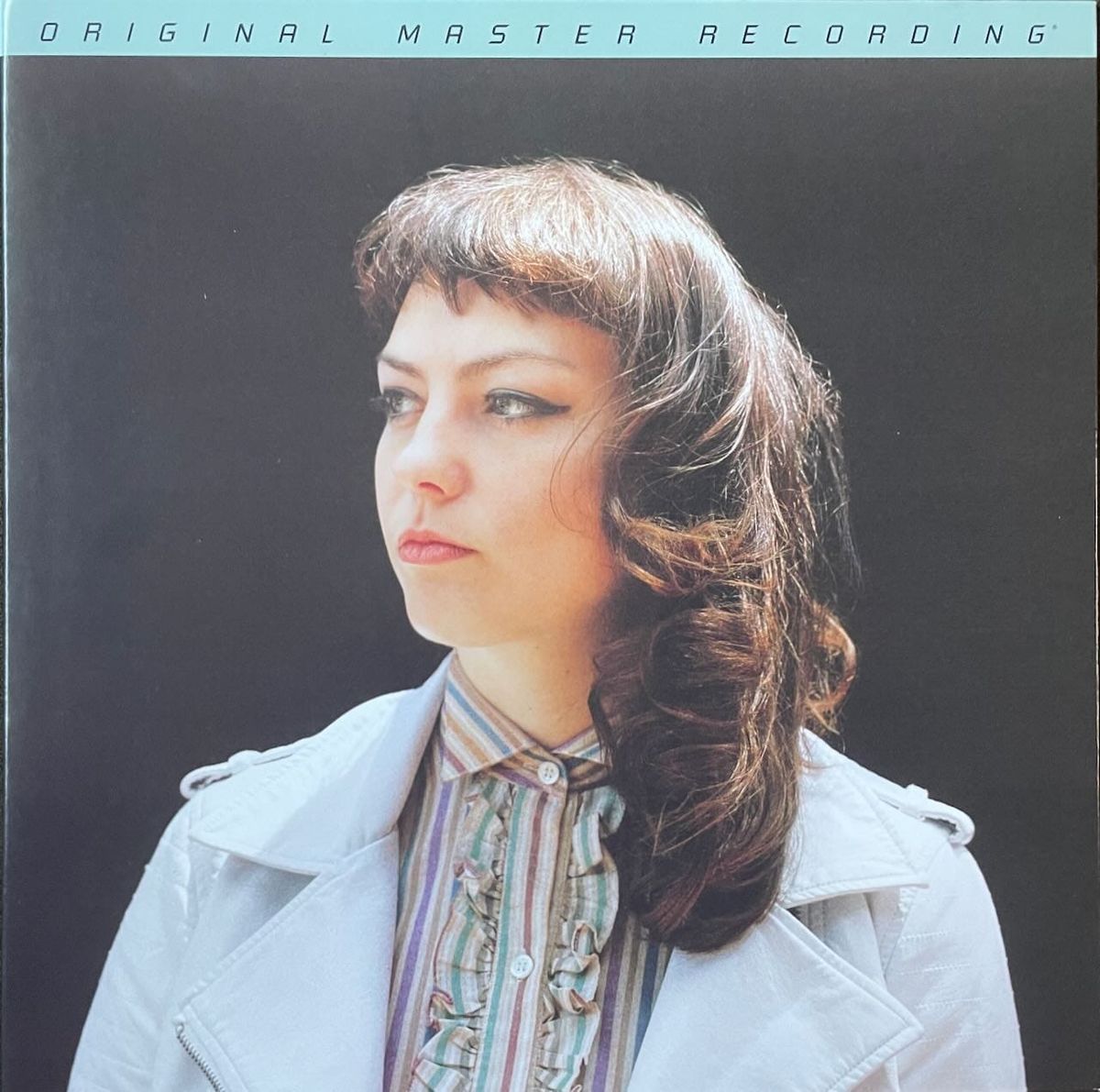
Today I’m reviewing Angel Olsen’s 2016 album My Woman, which has been given an impressive 10th-anniversary pressing from Mobile Fidelity. But first...
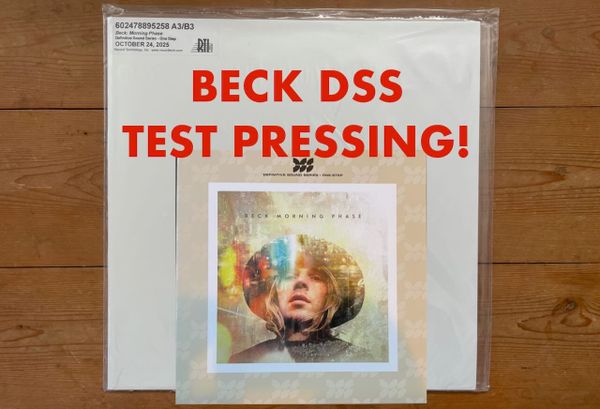
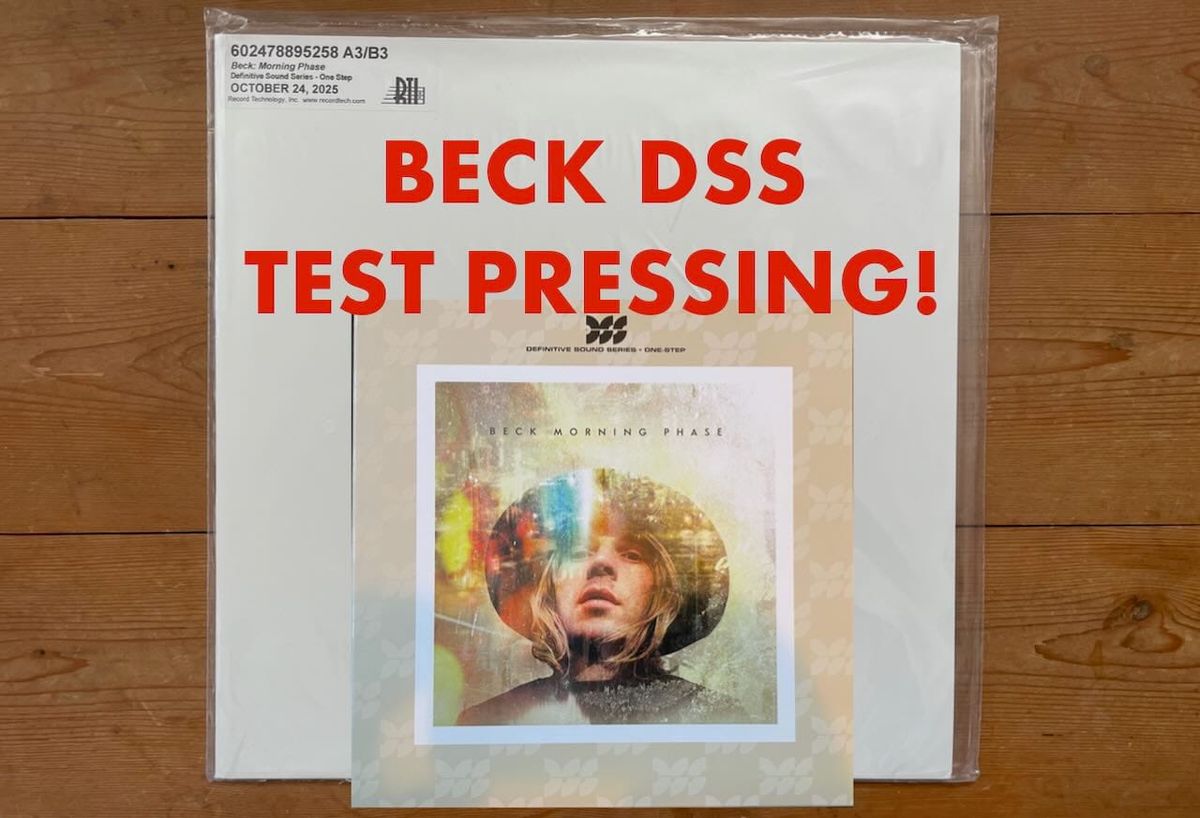
A quick reminder that our October vinyl giveaway is now live! It's for a super-rare test pressing of the Definitive Sound Series’ incredible-sounding one-step of Beck’s Morning Phase—something to have the collectors salivating. The giveaway closes at 11:59 Pacific time on Wednesday, October 21, so paid subscribers will need to get their entries in right away. Find out how to upgrade your subscription and enter to win:
 Ned Lannamann
Angel Olsen: My Woman
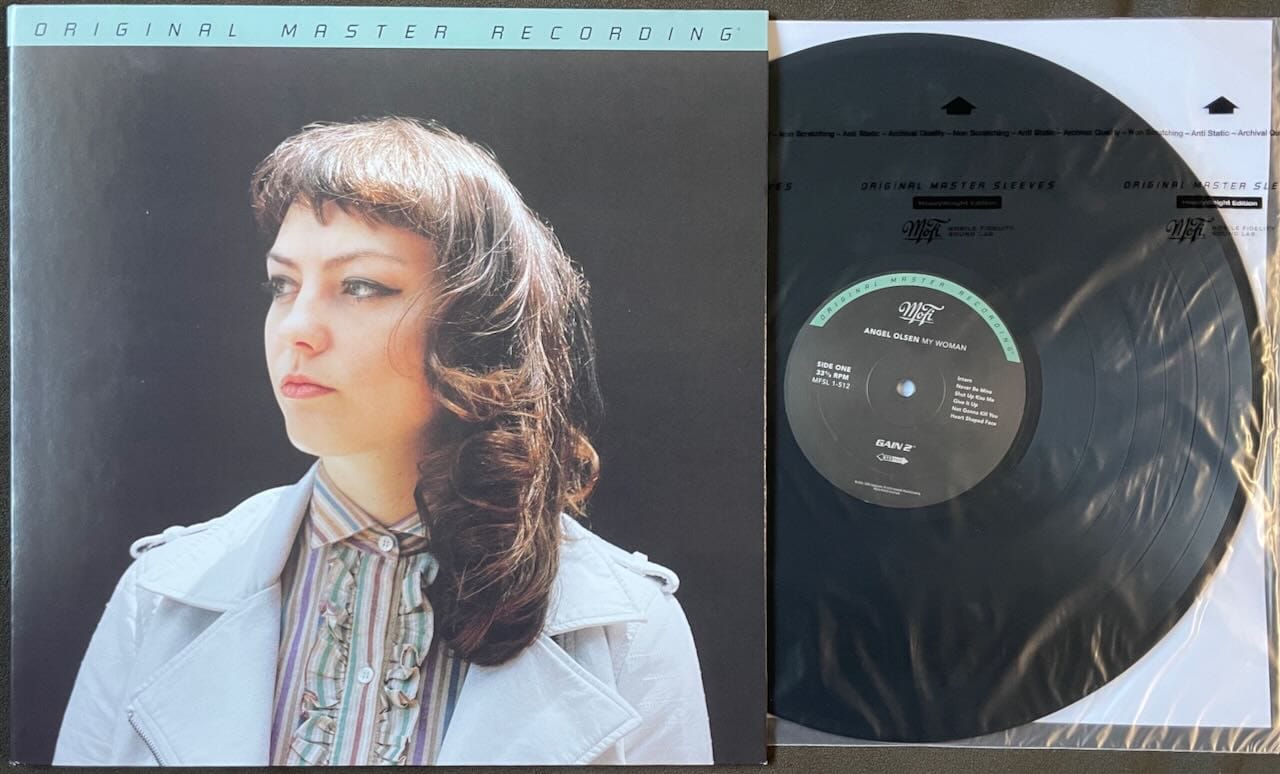
As of this writing, I believe that the new pressing of Angel Olsen’s 2016 album My Woman is the most recent album in the Mobile Fidelity catalog. The venerable audiophile label made its bones by reissuing well-known albums from the 1960s, 1970s, and 1980s—the heyday of the vinyl LP—and it has of course extended its reach to the decades before and after on numerous occasions. But this new edition of My Woman, first released on Jagjaguwar and celebrating its 10th anniversary this year, seems to be an indicator of an exciting new chapter in the Mobile Fidelity saga, where anything, old or new, is fair game for reappraisal via MoFi’s premium treatment. (Continuing this trend, MoFi has also just reissued the National’s 2007 album Boxer.)
My Woman is a postmodern and difficult-to-pigeonhole blend of indie rock and country noir with the odd synth ballad thrown in for good measure—there’s no mistaking it for an album from an earlier era. But whether by design or pure happenstance, Angel Olsen’s voice has always seemed to exist out of time. Her earliest recordings, spare and acoustic, were like sepia-toned photographs, and as her sound began to incorporate more electric elements, her shapeshifting voice followed suit. It could leap across decades in a single line, intoning the flat, unaffected sounds of a shape-note congregant before wielding the controlled vibrato of a midcentury nightclub singer, and then transforming into the contemporary stylings of a baby-voiced pop princess.
Olsen, then, is as capable of delivering glam-rock hollers as she is of crystalline Joan Baezesque harmonies (as she did during her time singing with Bonnie “Prince” Billy). She can bray like Stevie Nicks or yodel like Jimmie Rodgers—or do both like Dolores O’Riordan—and still sound entirely like herself. None of it ever feels affected; Olsen’s astoundingly versatile voice is capable of play-acting just about any role it chooses. Still, it was likely nothing more than convenience that she chose to record her third album in the heart of Tinseltown—at Hollywood’s historic Electro-Vox Recording Studios (then operating under the shortened name Vox), located across Melrose Avenue from the Paramount Pictures lot. Los Angeles was where it made the most sense to work with producer Justin Raisen, and Vox’s space allowed the ability for Olsen and her backing band—guitarist Stewart Bronaugh, bassist Emily Elhaj, and drummer Josh Jaeger—to track their parts live. (Raisen and Floating Action’s Seth Kauffman also played on the album, although the musician credits don’t indicate who played what.)
The jolt of Olsen’s best work comes from the tension between the masklike qualities of that eminently believable voice—a truly gifted thespian—and her desire to express her most authentic emotions and experiences through her songwriting. With My Woman, she balanced those dueling impulses more effectively than ever. The dichotomy is sometimes made explicit in the music itself, as when Olsen double-tracks her vocals to have one voice sound immediate and warm and the other like it’s trapped behind the hard glass of a mirror (“Give It Up,” or during the chorus of “Shut Up Kiss Me”). And the album itself is roughly bifurcated into two discrete halves, with the shorter, more uptempo numbers on Side 1 and the longer, more exploratory works on Side 2.
But even within those jurisdictions, the margins never stay clean. Side 1 contains all the fuzzy rockers, but it kicks off with a synth prelude, “Intern,” that begins with a sound entirely frosted with ice before Olsen’s voice warms and melts the melody. The side concludes with the stunning smoke-wisp of “Heart Shaped Face,” a careful, heart-in-throat ballad that tiptoes forward to its stunning conclusion: “Heartache ends/And begins again.” And Side 2 encompasses a variety of somber moods, from the slow-building, guitar-spangled epic in the form of “Sister,” to the low-simmering R&B on “Those Were the Days,” to the raw, last-call piano ballad of “Pops.” There’s an almost innate beauty to many of these songs, but Olsen, producer Raisen, and the musicians all share the correct instinct that beauty becomes even more compelling when it’s slightly ruined.
The sound on the new MoFi pressing is extraordinary. Olsen’s voice is the star attraction, of course, but the mise-en-scène of the musicians is handled perfectly, with exquisite separation around the individual instruments and surprisingly delineated transients for a recording that generally relies on warm, extended notes and tones. The bass is impactful without overstepping its bounds, the drums are wholly naturalistic, and Olsen’s voice, while heavily treated with reverb, has breath, heat, and realism. The tangled guitars at the end of “Sister” explore the very upper reaches of the top end, shimmering to almost blinding degrees but never becoming ear-piercing. There’s not a live-in-the-room quality—the album never really possessed that characteristic to begin with—but there is always a sense of shared space and dimensional presence to all of the pieces and performances.
I used to have a 2016 Jagjaguwar pressing of this album that I got rid of due to its lamentable pressing quality. I’m quite confident I never got as much enjoyment out of it as I do this one, even taking all of its pops and scrapes into account. Cut by Paul Gold of Salt Mastering and most likely pressed at Independent Record Pressing, the 2016 version sounded more or less like a CD pressed to wax, in my recollection. This MoFi My Woman extends beyond the frame, evaporating any sense of the medium itself and becoming part of the room it’s playing in. It is an alternately soothing and dramatic listen, one that’s warming, stirring, and emotionally engaging from start to finish. It does the very best thing a reissue can: It makes me like the album more.
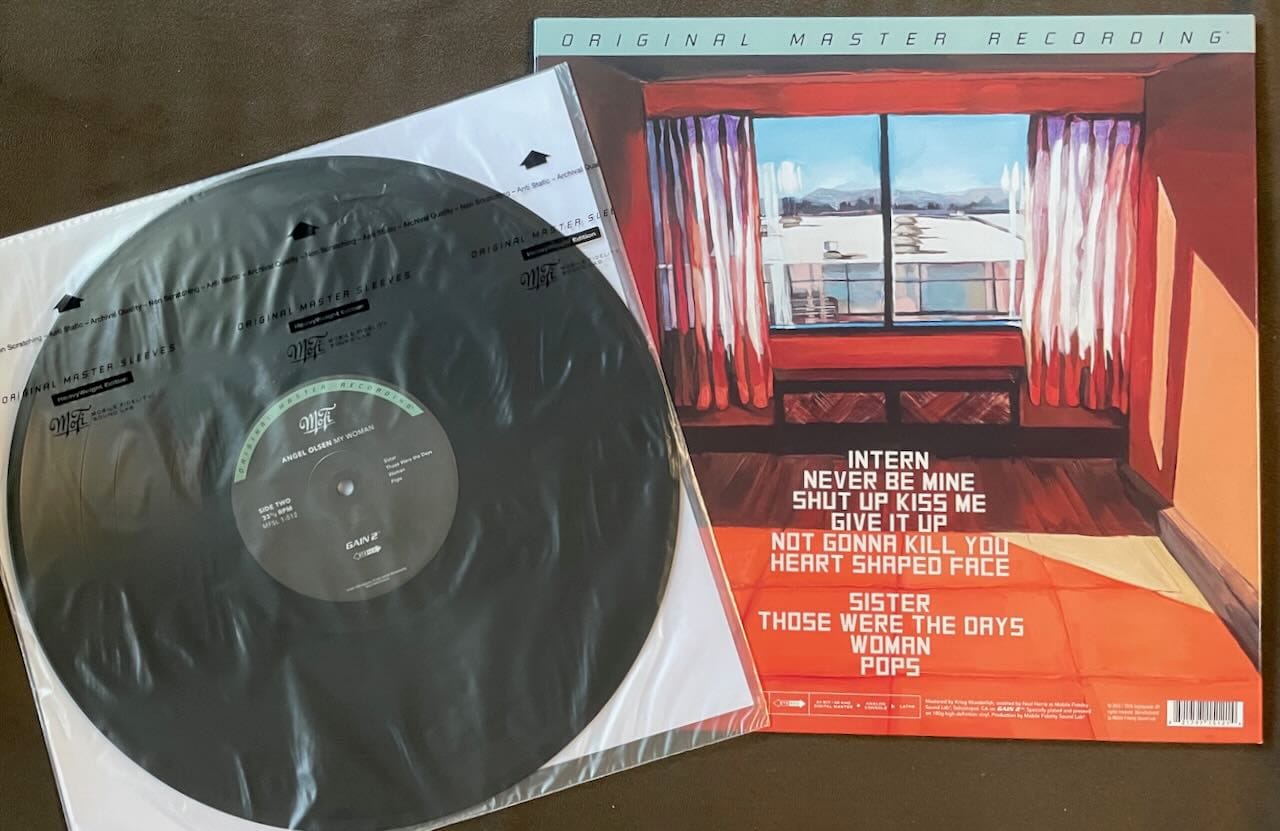
The pressing, from MoFi’s excellent Fidelity Record Pressing plant, is beyond reproach; I only noticed some slight noise at the very end of Side 1, which mastering engineer Krieg Wunderlich has cut close to the label, with very little deadwax. (The album itself runs longer than 47 minutes but at no point is the sound compromised, and the uninterrupted flow of the 33 RPM pressing provides much of the album’s pleasure.) The tip-on sleeve is as good as one would expect, and the standardized labels, spine, and MoFi banner are the only notable variations from the original album design.
If this is indeed the signal of a new era for MoFi—with albums of recent vintage sharing shelf space with the old chestnuts—I think the label is uniquely well-positioned for a role in not just catering to younger vinyl aficionados but of recontextualizing the digitally recorded music of the last 30 years for an audiophile audience. With the digital step in their vinyl preparation now common knowledge, MoFi are not hidebound to the analog purity of labels like Analogue Productions or Rhino High Fidelity. This gives them access to all of the secretly well-recorded albums of the 21st century, most of which have only ever been heard through bitcrushed MP3s or substandard streams on Bluetooth earbuds. And with much of the best music of the ’00s and ’10s having been released on independent labels rather than the majors, perhaps there are licensing opportunities as well, although this is rank speculation on my part.
But if Mobile Fidelity is going to play a part in the reevaluation of the last quarter-century of popular music, My Woman is an ideal starting place, as it sounds at turns retro, modern, and wholly futuristic. It was always a fine-sounding record, with the extensive amount of reverb smoothing over the rough edges but also keeping the listener at a slight remove. This Mobile Fidelity pressing completely changes that. Not only can you hear “into” the performances better—and the rough edges become part of the emotional complexion of this passionately delivered recording—but the remove is gone entirely, allowing the listener full access to Olsen’s haunting songs. I got rid of that Jagjaguwar copy of My Angel without thinking twice, but I have a feeling this MoFi pressing is something I’ll hang onto until the end.
Mobile Fidelity 1-LP 33 RPM 180g black vinyl
• New remaster of Angel Olsen’s 2016 album
• Jacket: Tip-on gatefold
• Inner sleeve: Mobile Fidelity–branded rice-paper-style poly
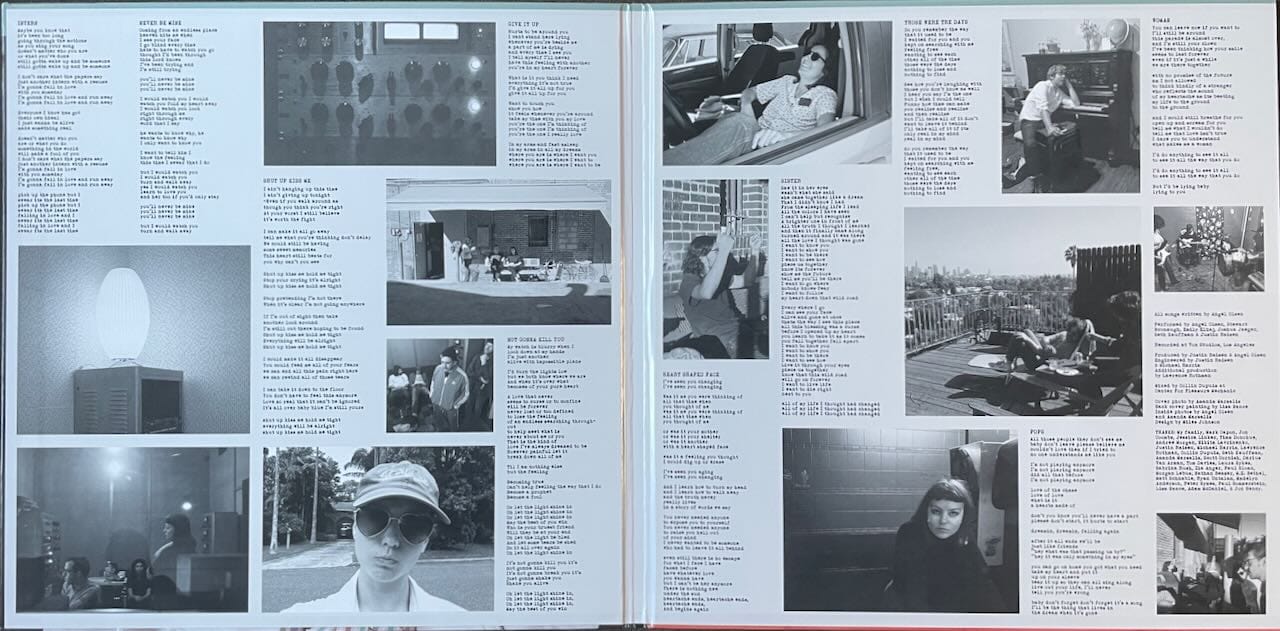
• Liner notes, insert, or booklet: None; lyrics and photos on inner gatefold as per original issue
• Source: Digital; “24-bit/96 kHz digital master”
• Mastering credit: “Mastered by Krieg Wunderlich, assisted by Neal Harris at Mobile Fidelity Sound Lab, Sebastopol, CA”
• Lacquers cut by: Krieg Wunderlich at Mobile Fidelity Sound Lab, Sebastopol, CA; “KW@MOFI” in deadwax
• Pressed at: Fidelity Record Pressing, Oxnard, CA
• Vinyl pressing quality (visual): A
• Vinyl pressing quality (audio): A- (minor noise at very end of Side 1)
• Additional notes: Numbered limited edition of 2000. Comes in a reusable perforated poly outer bag.
Listening equipment:
Table: Technics SL-1200MK2
Cart: Audio-Technica VM540ML
Amp: Luxman L-509X
Speakers: ADS L980